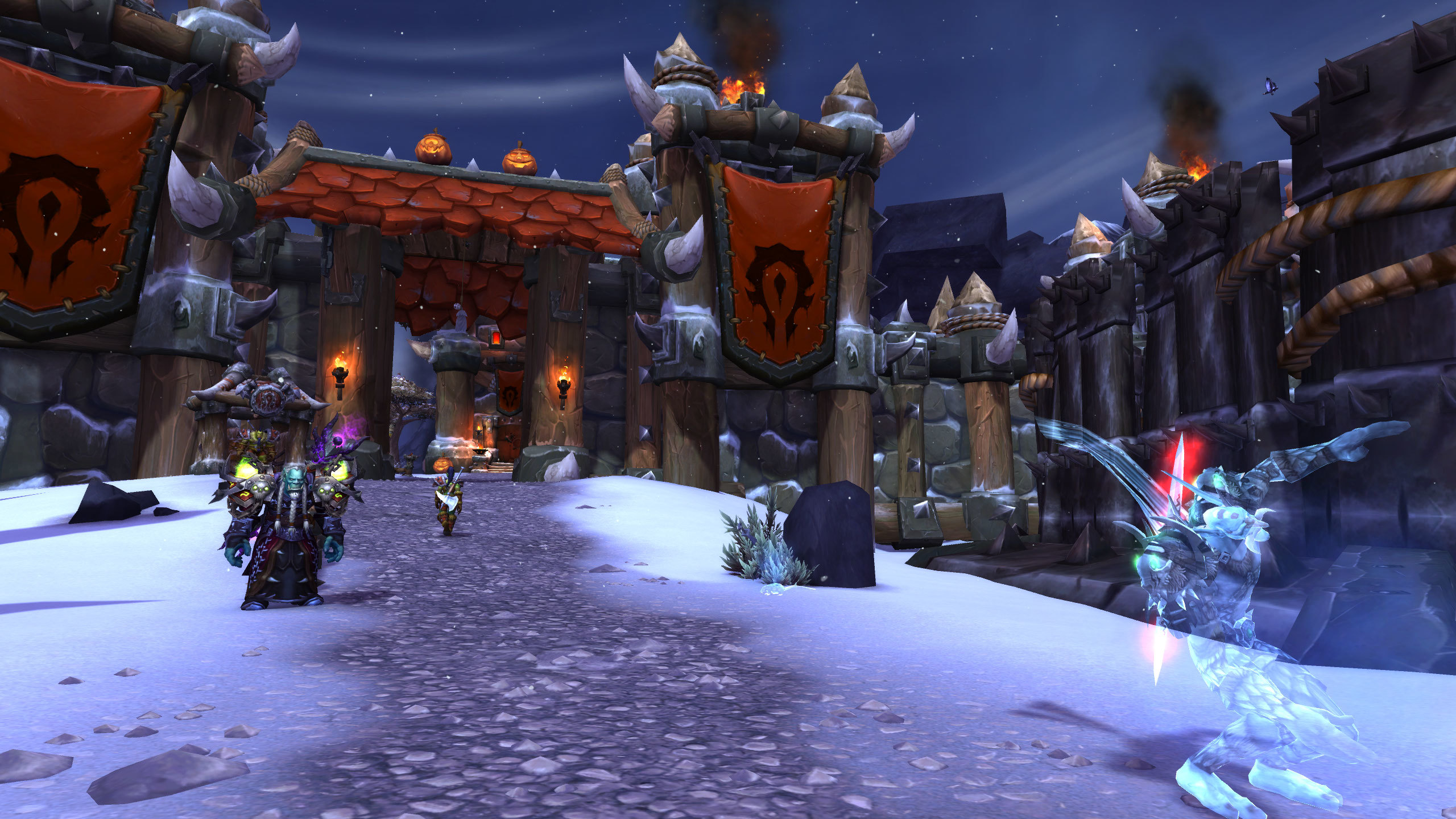
Few rivalries in gaming are as iconic—or as enduring—as the conflict between the Horde and the Alliance. What began as a simple divide between orcs and humans has evolved into a living, breathing political landscape shaped by history, loss, and reluctant cooperation. Across twenty years of expansions, Blizzard has redefined what these factions represent—not as enemies locked in eternal war, but as ideologies forever intertwined.
This article explores how the Horde and Alliance have evolved from battlefield adversaries into two sides of a shared legacy, shaping both story and player identity across generations.
The Birth of Conflict
In the earliest days of Warcraft, the conflict was simple: the orcs invaded, and humanity fought back. The Alliance formed as a desperate coalition of survival, while the Horde began as a shattered people seeking a new home. The clash between order and chaos became the foundation of the franchise. Yet even then, beneath the bloodshed, there were hints of empathy—heroes who questioned whether endless war was destiny or choice.
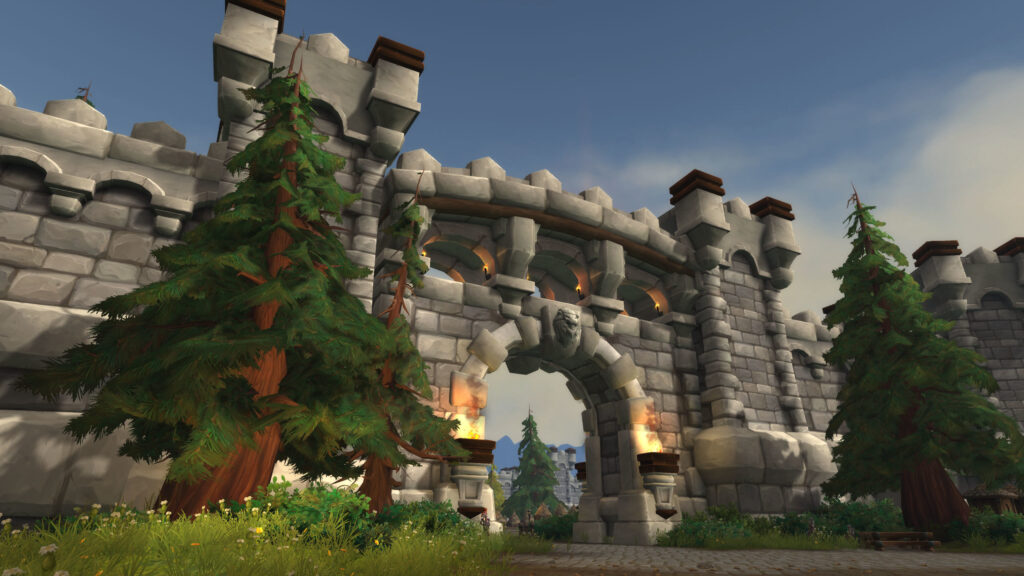
The Horde and Alliance were never just armies—they were philosophies of survival and pride.
From Enemies to Empires
As World of Warcraft expanded, both factions grew in scope and depth. The Alliance evolved from knights and kings into a coalition of cultures—dwarves, night elves, and draenei adding nuance to its values. The Horde transformed from exiles into a society defined by honor and resilience. Each expansion added new perspectives, making the factions mirrors rather than opposites.
They became reflections of one another’s strengths and flaws—two different answers to the same question: what does it mean to belong?
| Faction | Core Philosophy | Representative Leaders | Defining Strength |
|---|---|---|---|
| Alliance | Order, unity, justice | Anduin Wrynn, Tyrande Whisperwind | Loyalty and moral clarity |
| Horde | Honor, survival, freedom | Thrall, Baine Bloodhoof | Strength through adversity |
Moments of War and Peace
The pendulum between war and reconciliation has defined much of Warcraft’s history. From the Siege of Orgrimmar to Battle for Azeroth, the factions have clashed, fractured, and reunited in cycles that mirror real-world political tension. Yet with each conflict, lines blur further. Heroes from both sides have fought shoulder to shoulder against existential threats, proving that survival often demands unity over loyalty.
The battlefield may divide them, but destiny continues to draw them back together.
Cross-Faction Cooperation: A New Era
Modern WoW finally broke the walls that once defined its player experience. Cross-faction raiding and guilds marked a revolutionary shift in design philosophy—one where narrative tension remains, but gameplay division fades. This evolution respects the story’s legacy while embracing player freedom. It’s a recognition that Azeroth’s greatest wars were never about species, but ideology.
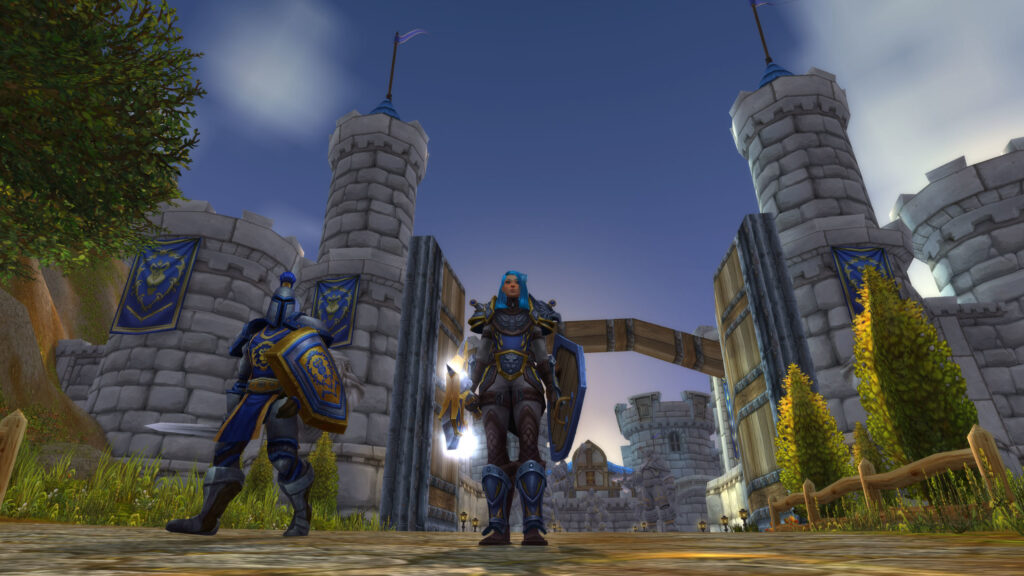
Now, cooperation feels less like betrayal—and more like evolution.
The Faction Identity of the Player
For players, faction identity is deeply personal. It shapes memories, friendships, and even rivalries that span decades. The Horde’s resilience attracts those who value independence, while the Alliance’s unity appeals to those drawn to heroism and structure. Even as cross-faction systems rise, that emotional attachment remains the soul of WoW’s community. Factions are no longer barriers—they’re heritage.
We may fight together now, but our banners still tell our stories.
The War Within: Redefining Legacy
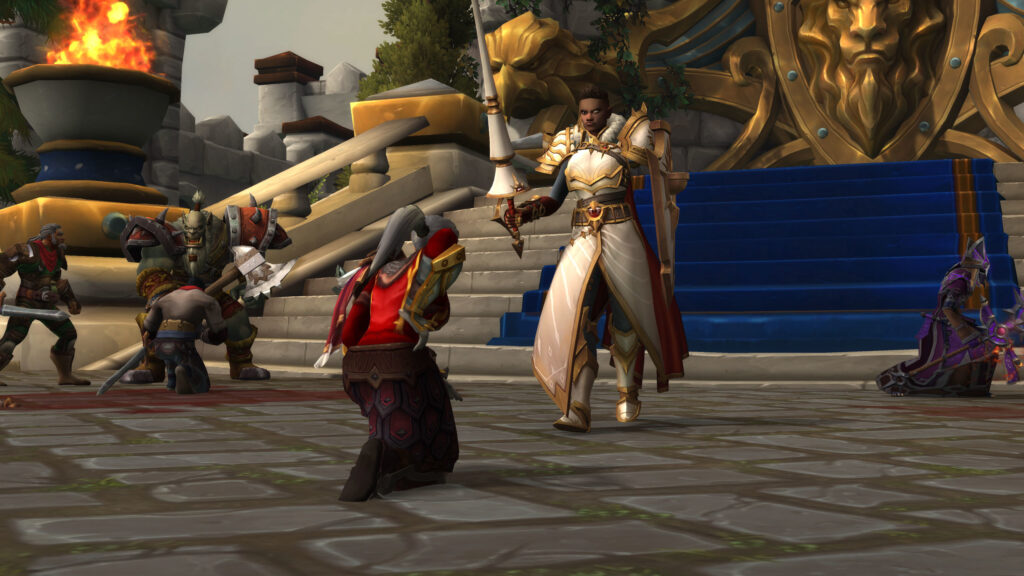
The War Within continues to build on this evolution. As threats grow beneath Azeroth’s surface, Horde and Alliance heroes fight side by side against something far older than politics. Yet the tension remains—cooperation born of necessity, not peace. This balance of unity and pride keeps the narrative alive. The factions endure not as enemies, but as eternal contrasts shaping Azeroth’s identity.
The war may quiet, but the ideology lives on.
Conclusion
The Horde and Alliance are no longer mere symbols of red and blue—they are philosophies carved into the soul of Warcraft. They remind players that unity and division, honor and ambition, can coexist within the same world. As Azeroth’s story deepens, these factions evolve alongside it—less defined by war, and more by what they fight for. In that evolution lies the heart of Warcraft’s enduring magic.
Because without conflict, there can be no growth—and without legacy, there can be no world worth fighting for.