
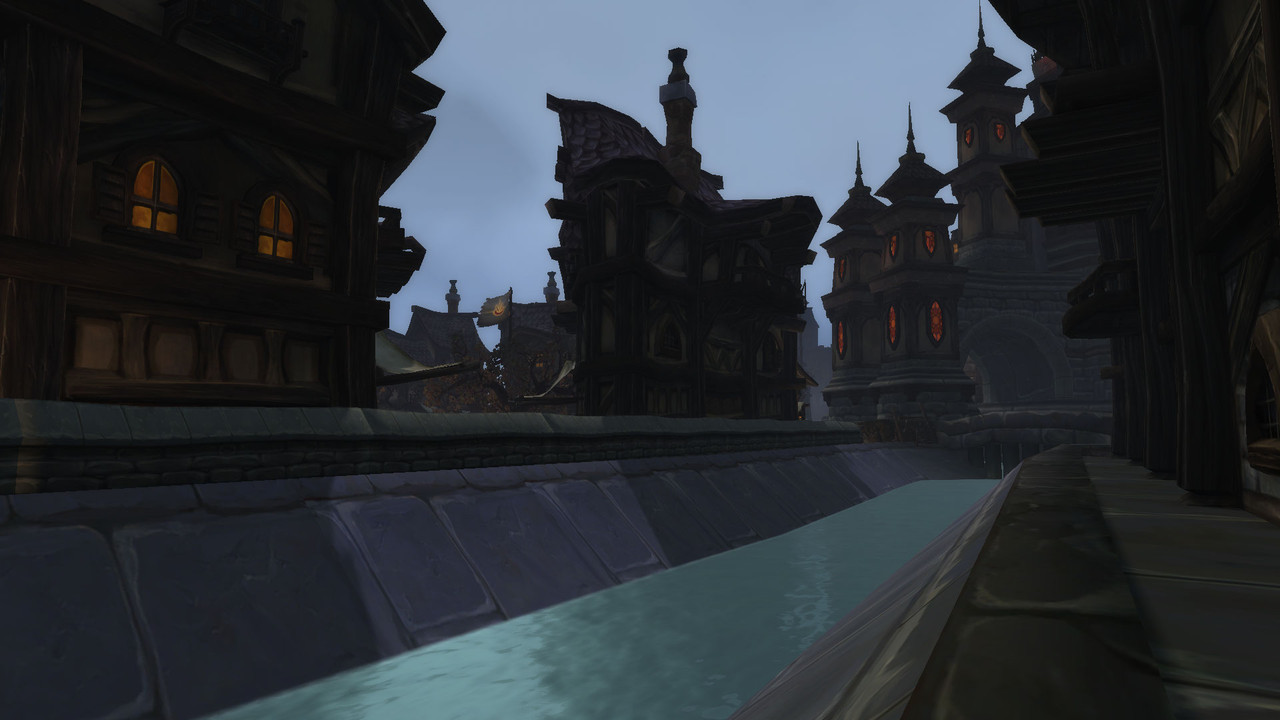
In World of Warcraft’s Cataclysm expansion, Gilneas stands out as a prime example of Gothic horror, characterized by its haunting architecture and atmospheric design. This guide explores the elements that contribute to Gilneas’ unique aesthetic, including its architectural styles, environmental storytelling, and the emotional resonance of its lore. By examining these components, we can understand why Gilneas is often regarded as the pinnacle of Gothic horror within the game.
What architectural features define Gilneas in Cataclysm?
Gilneas is defined by its dark, brooding architecture, featuring steep roofs, intricate stonework, and an overall sense of decay that embodies Gothic horror.
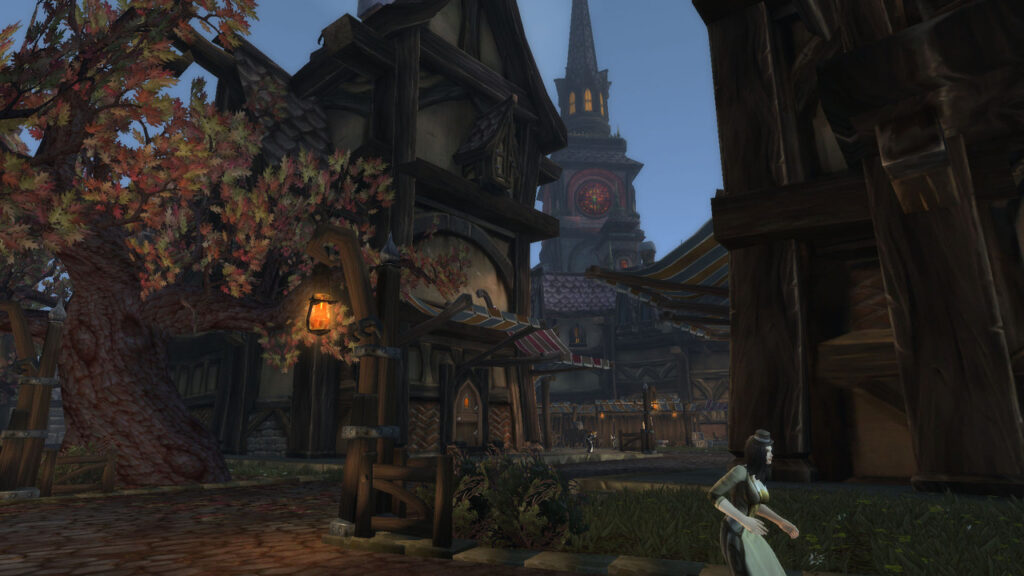
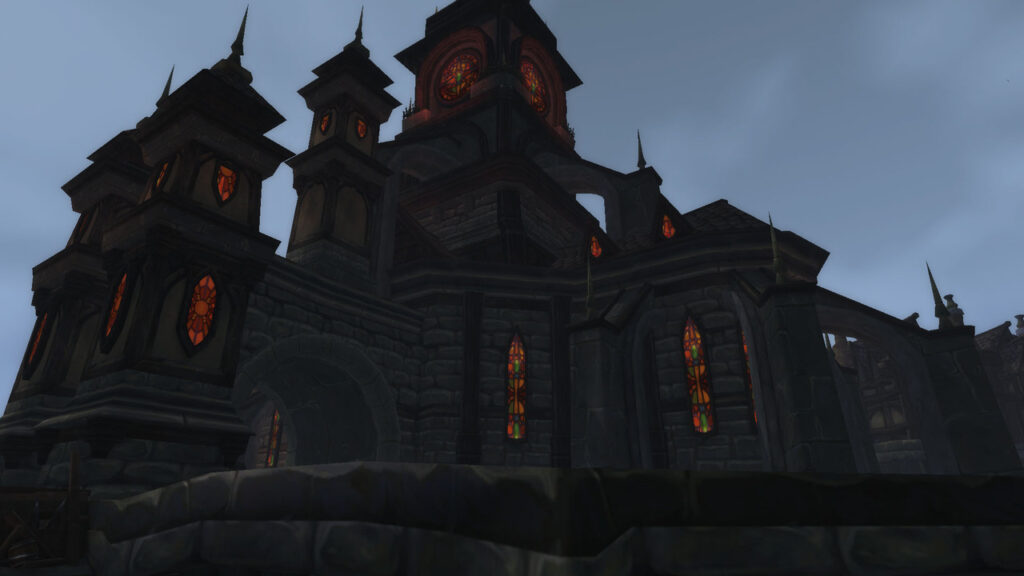
The architecture of Gilneas is heavily influenced by traditional Gothic styles, which include pointed arches, ribbed vaults, and flying buttresses. The buildings are often adorned with gargoyles and other grotesque figures that serve both decorative and functional purposes, such as water spouts. The use of dark stone and muted colors enhances the somber atmosphere, creating a sense of foreboding. Additionally, the layout of the city, with its narrow streets and towering structures, fosters a feeling of claustrophobia, drawing players into an immersive experience that feels both oppressive and captivating. The architectural design is not merely aesthetic; it reflects the history and struggles of the Gilnean people, adding depth to the environment.
Furthermore, the integration of natural elements, such as twisted trees and overgrown vegetation, contrasts sharply with the rigid lines of the buildings, enhancing the sense of decay and abandonment. This juxtaposition emphasizes the theme of nature reclaiming what was once a proud civilization. The use of fog and dim lighting further contributes to the eerie ambiance, making exploration feel like a journey through a haunted landscape. Players are encouraged to engage with the environment, uncovering hidden stories and lore that deepen their connection to the world of Gilneas.
How does the atmosphere of Gilneas enhance its Gothic horror theme?
The atmosphere of Gilneas is steeped in darkness and mystery, utilizing sound design, weather effects, and environmental storytelling to amplify its Gothic horror theme.
The soundscape of Gilneas plays a crucial role in establishing its eerie atmosphere. Players are often greeted by the sounds of howling winds, distant wolves, and the creaking of old structures, which create an unsettling auditory experience. Coupled with the frequent rain and fog, the weather effects contribute to a sense of isolation and despair. This immersive sound design invites players to feel the weight of the environment, enhancing their emotional response to the story unfolding around them. The combination of visual and auditory elements creates a multi-sensory experience that is both haunting and memorable.
Environmental storytelling is another key aspect of Gilneas’ atmosphere. Scattered throughout the area are remnants of the past, such as abandoned homes, broken furniture, and signs of struggle, all of which hint at the tragic fate of its inhabitants. These details encourage players to piece together the narrative, fostering a deeper connection to the lore of the Gilneans. The presence of the Worgen curse adds an additional layer of horror, as players encounter transformed citizens and the remnants of their former lives. This blend of storytelling and atmosphere creates a rich tapestry of Gothic horror that resonates with players long after they leave the area.
- Explore the abandoned homes to discover personal stories of the Gilnean people.
- Listen to the ambient sounds to fully immerse yourself in the haunting atmosphere.
- Pay attention to the weather changes, as they often reflect the mood of the environment.
- Engage with NPCs to learn more about the lore and history of Gilneas.
What role does the lore of Gilneas play in its Gothic horror aesthetic?
The lore of Gilneas, particularly its tragic history and the Worgen curse, is integral to its Gothic horror aesthetic, providing depth and emotional weight to the environment.
The history of Gilneas is steeped in themes of isolation, betrayal, and transformation, all of which are hallmarks of Gothic horror. The Gilnean people, once proud and noble, became isolated from the rest of the world due to their self-imposed barriers. This isolation led to a sense of paranoia and fear, especially as the Worgen curse began to spread. The transformation of the citizens into Worgen reflects the loss of humanity and the struggle against inner demons, a common trope in Gothic literature. Players are drawn into this narrative, experiencing the consequences of the curse firsthand as they navigate the haunted streets of Gilneas.
Moreover, the conflict between the Gilneans and the Forsaken adds another layer of complexity to the lore. The Forsaken’s invasion represents a physical manifestation of the fears and insecurities that plague the Gilneans. This ongoing struggle is not just a battle for territory but a fight for identity and survival. The emotional resonance of this conflict enhances the Gothic horror atmosphere, as players witness the tragic downfall of a once-great civilization. The integration of lore with environmental design creates a cohesive experience that captivates players and encourages them to explore the depths of Gilneas’ history.
| Aspect | Description | Impact on Atmosphere | Player Experience |
|---|---|---|---|
| Architecture | Dark stone buildings with Gothic elements | Creates a sense of foreboding and decay | Immersion in a haunting environment |
| Sound Design | Eerie ambient sounds and weather effects | Enhances emotional response and tension | Heightened sense of fear and isolation |
| Lore | Tragic history and the Worgen curse | Provides depth and emotional weight | Connection to the narrative and characters |
What are the critical elements of Gothic horror in Gilneas?
The critical elements of Gothic horror in Gilneas include themes of isolation, decay, and transformation, all of which are woven into the fabric of the environment and its lore.
Isolation is a prominent theme in Gilneas, as the city was cut off from the outside world, creating a sense of entrapment. This isolation is reflected in the architecture, with towering walls and narrow streets that evoke feelings of claustrophobia. The decay of the once-thriving city serves as a constant reminder of the passage of time and the consequences of neglect. Players are confronted with the remnants of a civilization that has fallen from grace, which adds to the overall sense of despair and melancholy that permeates the environment. The visual representation of decay, such as crumbling buildings and overgrown vegetation, reinforces the theme of nature reclaiming what was lost.
Transformation, particularly through the Worgen curse, adds a layer of horror that is both physical and psychological. The transformation of the Gilneans into Worgen symbolizes the struggle between humanity and monstrosity, a common theme in Gothic literature. This internal conflict is mirrored in the environment, where players encounter both the remnants of the Gilnean culture and the monstrous forms that now inhabit the city. The duality of existence in Gilneas creates a rich narrative tapestry that invites players to explore the complexities of identity, fear, and survival in a world that has been irrevocably changed.
How can players fully appreciate the Gothic horror of Gilneas?
Players can fully appreciate the Gothic horror of Gilneas by immersing themselves in the environment, engaging with its lore, and experiencing its atmospheric elements.
To truly appreciate the Gothic horror of Gilneas, players should take their time exploring the environment. Rushing through the area can lead to missed details that contribute to the overall atmosphere. Players should pay attention to the architectural nuances, such as the intricate stonework and the symbolism behind the design choices. Engaging with NPCs and reading quest text can provide valuable insights into the lore and history of Gilneas, enhancing the emotional connection to the environment. Additionally, players should take note of the ambient sounds and weather effects, as these elements are carefully crafted to evoke a sense of dread and unease.
Participating in events or quests that delve into the history of Gilneas can also deepen the appreciation for its Gothic horror. By understanding the struggles of the Gilnean people and the impact of the Worgen curse, players can gain a greater appreciation for the narrative depth of the environment. Finally, sharing experiences with other players can foster discussions about the themes and elements that make Gilneas a standout example of Gothic horror in World of Warcraft. This collaborative exploration can lead to a richer understanding of the game’s design and storytelling.
Frequently Asked Questions
What inspired the design of Gilneas in World of Warcraft?
The design of Gilneas was inspired by traditional Gothic architecture and literature, drawing from themes of isolation, decay, and transformation. The developers aimed to create an immersive environment that reflected the tragic history of the Gilnean people and their struggles against the Worgen curse.
How does the Worgen curse affect the atmosphere of Gilneas?
The Worgen curse adds a layer of horror to Gilneas by transforming its citizens into monstrous beings. This transformation symbolizes the loss of humanity and the internal struggle between man and beast, enhancing the overall sense of dread and despair in the environment.
What can players do to experience the lore of Gilneas more deeply?
Players can experience the lore of Gilneas more deeply by taking their time to explore the environment, engaging with NPCs, and reading quest text. Participating in events that delve into the history of Gilneas can also provide valuable insights into its tragic past and the impact of the Worgen curse.